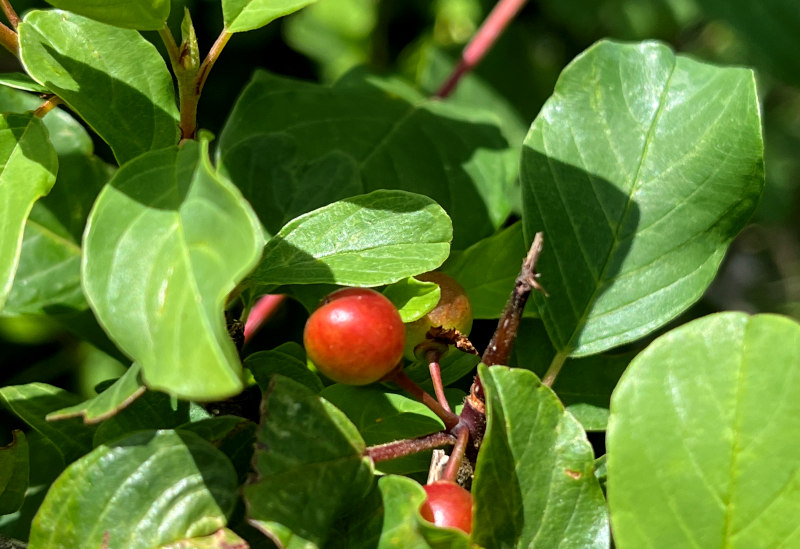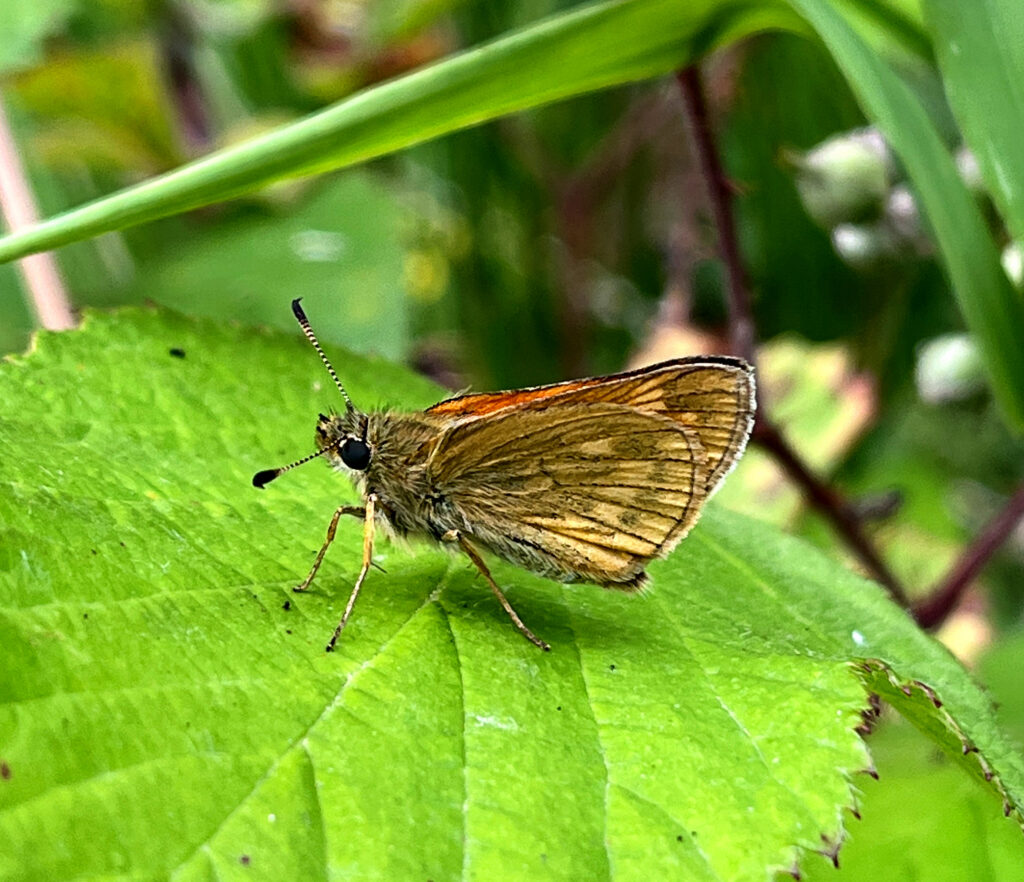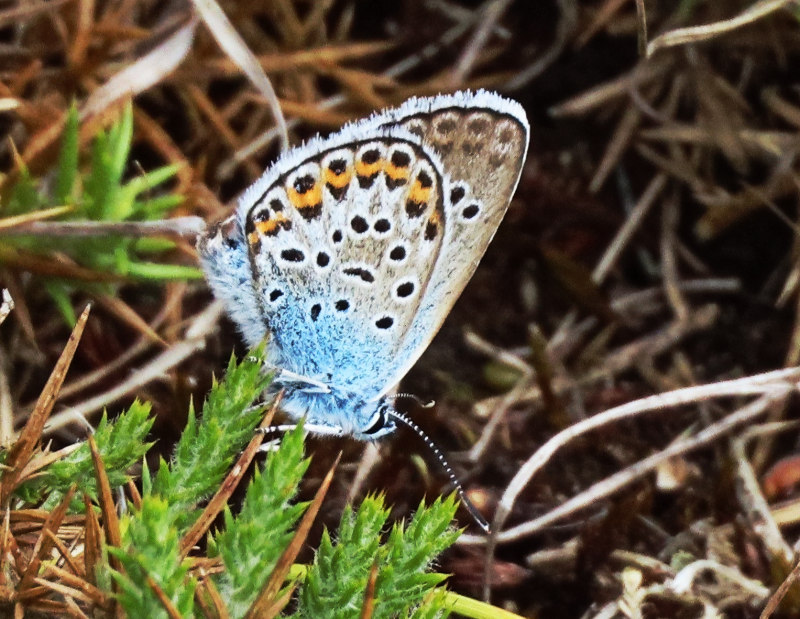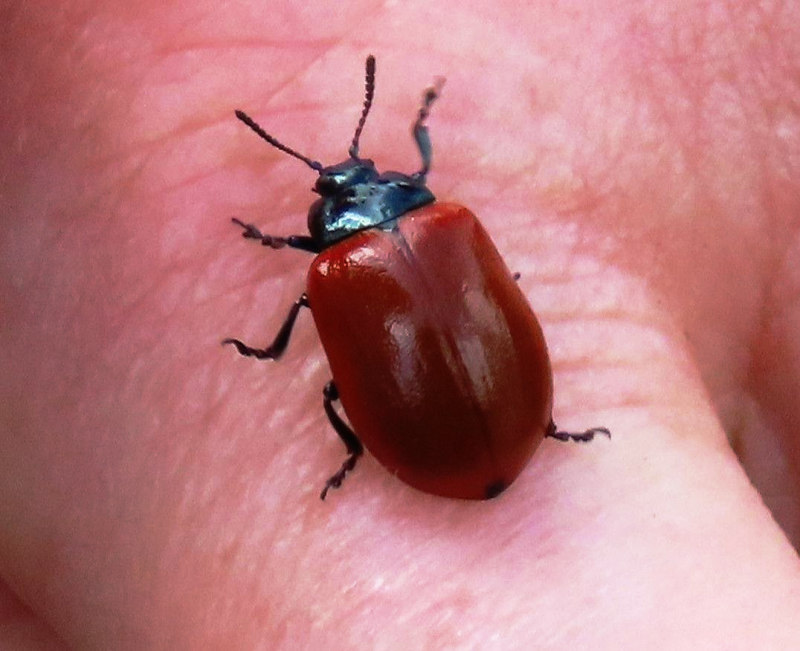
Grahame Hawker led 7 members on a walk at Silchester Common and Pamber Forest on the overcast morning of Sunday 22 June. Starting from the Impstone Road car park the route led through a dry area of gorse, where Marsh Cudweed, Tormentil, Centaury, Wood Sage, Heath Groundsel and Smooth Hawksbeard were growing, and a Meadow Brown and a male Silver-studded Blue flew by. As the ground became damper Dwarf Gorse, Creeping Willow and Alder Buckthorn with red berries were seen, with Cross-leaved Heath in the small mires and Bell Heather in dryer patches. A female Silver studded Blue and a Small Skipper were spotted, a Red Poplar Leaf Beetle was found on the willow and Cinnabar moth caterpillars were feasting on Ragwort.
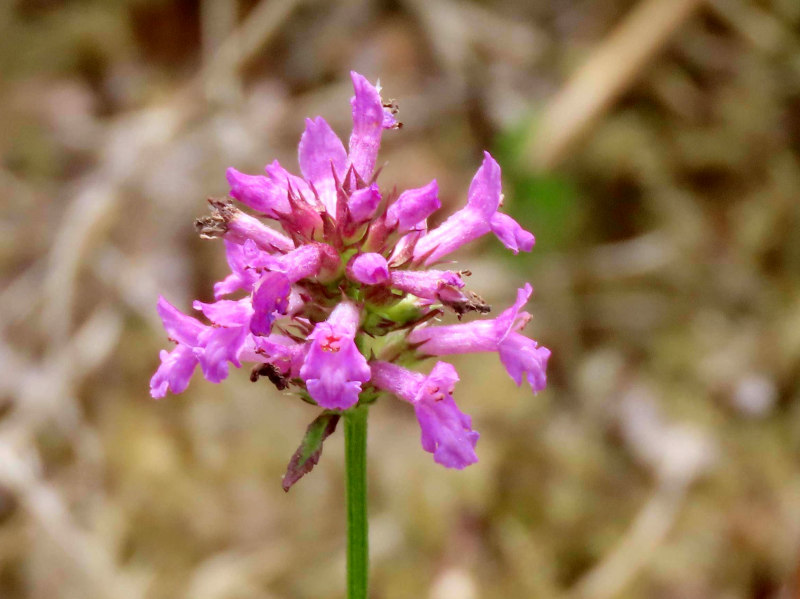
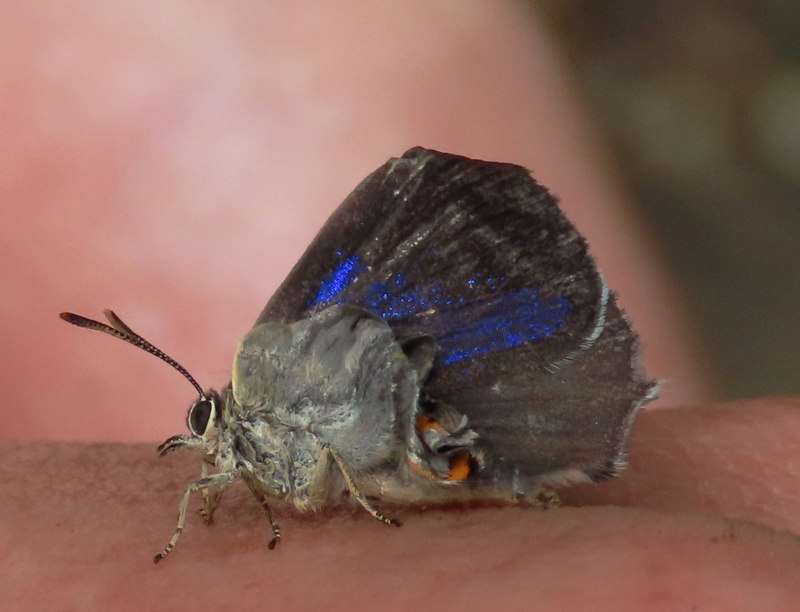
The walk continued to open heathland where several Silver-studded Blues were on the wing in spite of the unfavourable weather. Grahame explained that they were in worn condition as they had emerged early, most before 1st June. A distinguishing feature of both males and females is that the black spots on the edge of the underside of the hindwings have turquoise scales within them. This butterfly has an association with black ants which protect their larvae. Heath Bedstraw and Sheep’s Sorrel, and a Linnet and female Stonechat were noted in the heathland. The group then headed to Pamber Forest via the car park. Near the bottom of the slope Slender St John’s Wort which prefers acid soil was growing in a ditch, and a flash of purple revealed a Purple Hairstreak which was unable to fly. This gave an opportunity to closely examine a butterfly which is usually high up in oak trees and a challenge to photograph its iridescent wings. Nearby there was rotting wood with bright Green Elfcup and moving on a less colourful Garden Grass-veneer moth was spotted. By the sides of the path were Hard Fern, Soft Shield Fern and Broad Buckler-Fern along with a long-leaved subspecies of Marsh Bedstraw and Enchanter’s Nightshade. Brooklime and Water Starwort were growing in puddles. A polypore with a round cap, central stipe and many decurrent tubes each terminating in a small pore was identified as Tuberous Polypore Polyporus tuberaster. A Scarlet Tiger, Green-veined White, Silver washed Fritillaries and a Comma were seen. Continuing through a gate the group passed the Donkey Oak, one of the oldest trees in the Forest. Common Cow-wheat, Wood Spurge, Marsh Thistle and Bilberry were growing along the path edge in woodland with Downy Birch, Grey Willow, Scots Pine, Mountain Ash and Whitebeam. The rides and coppice areas here are managed to benefit butterflies. Honeysuckle, the foodplant of the White Admiral caterpillar was abundant and the butterflies can often be seen, but the weather was not conducive to their flight. In a more open area, a Common Lizard was spotted in the bracken, while Bird’s-foot Trefoil, Betony and Ling were in flower and Devil’s bit Scabious leaves were identified. Further on there were Wood Sorrel, Wood Dock, Foxgloves, a Common-spotted Orchid and Field Rose, and a Marbled White, Large Skipper and Ringlet flew by. Wood Ants were crossing the path to their nest. Some brown toadstools near the bank were identified as Fairy Ring Champignons. Returning up the hill to the car park Yellow Pimpernel, Scaly Male Fern, Heath Speedwell, Figwort, a Red Admiral and a Peacock butterfly were recorded.